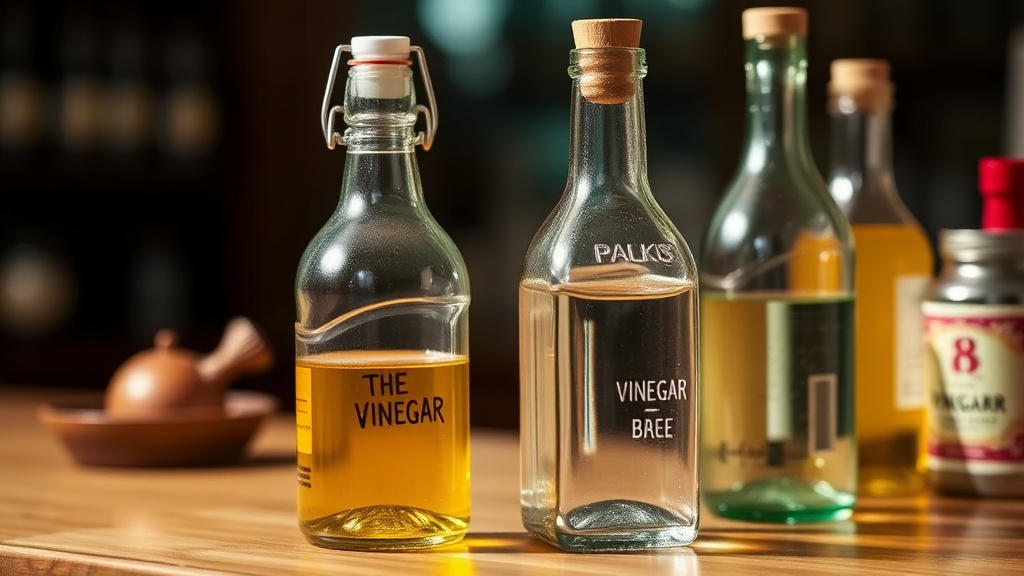
Keep Your Glass Bottles Shiny with Vinegar Solutions

Quick Tip
Always use a mild acid like vinegar rather than harsh chemicals to prevent etching the glass surface.
A collector pulls a dusty, iridescent cobalt blue bottle from a crate, only to find a thick layer of mineral buildup inside the neck. Scrubbing with a brush does nothing. This is a common headache when dealing with antique glass-ware that has been sitting in damp basements or buried in soil.
Cleaning glass bottles requires a balance between removing grime and preserving the integrity of the glass. Using a simple vinegar solution is one of the most effective, non-toxic ways to clear out mineral deposits or stubborn residues without using harsh chemicals that might damage the finish.
How Do You Clean Old Glass Bottles?
The most effective way to clean old glass is by using a solution of white distilled vinegar and warm water. You'll want to soak the bottle for several hours—or even overnight—to allow the acidity to break down the buildup. It's a slow process, but it works better than aggressive scrubbing.
If you're dealing with a particularly stubborn piece, you can add a bit of salt to the mixture. The salt acts as a gentle abrasive. Just be careful; you don't want to scratch the interior surface of high-value items. (I've seen collectors ruin a perfectly good piece by being too aggressive with a metal brush.)
Here is a quick-reference guide for different types of buildup:
| Type of Residue | Recommended Solution | Method |
|---|---|---|
| Mineral Deposits | White Vinegar + Water | Soak for 12-24 hours |
| Dried Liquid/Syrup | Warm Water + Mild Soap | Gentle soak and rinse |
| Stubborn Stains | Vinegar + Coarse Salt | Shake gently in the bottle |
Is Vinegar Safe for Antique Glass?
White vinegar is generally safe for most glass, but you should avoid using it on very old or fragile hand-blown pieces if you suspect the glass is "sick" or suffering from glass disease. Glass disease—a form of chemical instability—can be exacerbated by acidic liquids. For more on the chemistry of glass, you can check the Wikipedia entry on glass disease.
That said, for standard collectible bottles, a diluted vinegar solution is a much safer bet than industrial cleaners. You aren't just trying to make it look pretty; you're trying to preserve the item's value. A clean bottle is worth more to a buyer than a dirty one, but a damaged one is a heartbreak.
What Are the Best Tools for Bottle Cleaning?
You don't need a professional kit to get the job done. Most of what you need is already in your kitchen. If you have a narrow neck, you'll need a way to reach the bottom without breaking the glass.
- A Funnel: To pour your vinegar solution without spilling.
- A Long-Handled Bottle Brush: Look for nylon bristles rather than wire to avoid scratches.
- Distilled Water: Use this for the final rinse to prevent new water spots from forming.
If you are working with more delicate items, such as rare glass bottles found in shipwrecks, proceed with extreme caution. These pieces often have fragile surfaces that can react to even mild acids. Always test a small, inconspicuous area first.
For a truly clean finish, always rinse with distilled water. Tap water contains minerals that will leave new spots as soon as the bottle dries. It's a small step, but it makes a massive difference in how the light hits the glass once it's on your shelf.