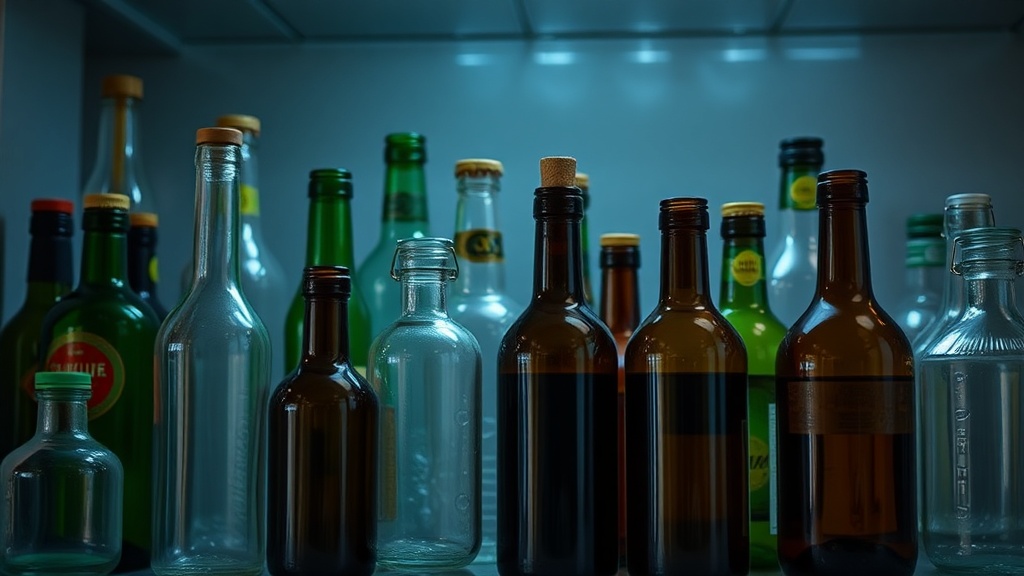
Selecting the Right Storage for Glass and Ceramic Bottles

Why Your Bottle Storage Matters
Did you know that a single degree of temperature fluctuation can cause more structural damage to antique glass than decades of actual use? While many people think of glass as a permanent, indestructible material, it's actually quite sensitive to its environment. When you're collecting bottles—whether they're hand-blown-glass apothecary jars or heavy stoneware—you aren't just collecting an object; you're collecting a piece of history that requires a specific micro-climate to survive. If you don't get the storage right, you're essentially inviting the environment to slowly dismantle your collection through thermal shock or chemical leaching.
This post covers the technical aspects of how to house your glass and ceramic pieces to prevent breakage and surface degradation. We'll look at the physical requirements for shelving, the chemistry of air quality, and why your choice of container matters as much as the bottle itself. Getting this right ensures your pieces stay in top condition for the next generation of collectors.
Where Should I Keep My Antique Bottles?
The most common mistake I see is people storing their collections in unfinished basements or damp attics. While these spaces might have plenty of room, they are often the worst places for glass. Humidity isn't just a problem for paper; it's a problem for the labels, the corks, and even the glass itself if there's high salt content in the air. If you're keeping your collection in a basement, you need to monitor the moisture levels constantly. A damp environment can lead to "glass disease" or, more commonly, the deterioration of any organic material attached to the bottle, such as paper labels or cork stoppers.
When selecting a location, aim for a stable, climate-controlled interior room. A living area or a dedicated study is much better than a garage or a cellar. You want to avoid any direct sunlight exposure—not just because it looks bad, but because UV rays can degrade certain types of glass and certainly damage any remaining labels or pigments. If you're displaying them on a shelf, make sure that shelf isn't near a radiator or an AC vent. Rapid shifts in temperature create internal stress in the glass, which can lead to cracks that weren't there yesterday.
What Are the Best Materials for Display Shelving?
Your choice of shelving can make or break a display. If you're using glass bottles, you might be tempted to use glass shelving to create a "floating" look. It looks great in photos, but it's a recipe for a disaster. Glass-on-glass contact is incredibly unstable. If one bottle shifts due to a minor vibration—say, someone walking heavily in the next room—the whole thing can slide and shatter. Instead, look for solid wood or high-quality metal shelving. These materials provide a much more stable base and can better absorb minor vibrations.
If you must use glass shelves, ensure you use non-slip, transparent liners. These aren't just to keep things from sliding; they act as a buffer between the bottle and the shelf surface. Also, consider the weight capacity. Antique stoneware is much heavier than standard soda-lime glass. A shelf that looks sturdy might bow slightly under the weight of twelve heavy stoneware jugs, and that slight bow is enough to tip over a top-heavy bottle. Check the weight ratings of your furniture before you start lining up your heavy hitters. You can find reliable standards for material weight and durability at resources like the Smithsonian Institution to better understand how different materials interact over time.
A Guide to Safe Container Types
| Material Type | Storage Risk | Recommended Care |
|---|---|---|
| Soda-Lime Glass | Thermal Shock | Avoid rapid temp changes |
| Stoneware | Weight/Cracking | Heavy-duty, stable shelving |
| Hand-Blown Glass | Fragility | Cushioned surfaces/pads |
| Ceramic/Porcelain | Scratches | Soft linings/felt pads |
When you're storing smaller items like glass apothecary vials or small ceramic caps, don't just toss them into a bin. Even inside a container, they need a home. Using acid-free tissue or soft cotton batting helps prevent the pieces from knocking against one another. This is especially important for "smalls"—those tiny, often highly collectible bits of history that can easily be lost or chipped in a standard storage box.
How Can I Prevent Glass Disease and Surface Corrosion?
It sounds like something out of a sci-fi movie, but "glass disease" is a very real phenomenon. It's often caused by an imbalance in the chemical composition of the glass, making it susceptible to moisture in the air. If you notice a cloudy or iridescent film forming on the surface of your glass, it might be a sign of chemical instability. This is often exacerbated by high humidity and exposure to certain gases. To prevent this, keep your collection in a space with consistent humidity, ideally between 40% and 50%.
Another issue is surface corrosion on metal-to-glass junctions. If you have a bottle with a metal cap or a decorative metal neck, the interaction between the metal and the glass can be problematic. Oxidation from the metal can leave stains on the glass, or the metal can actually leach ions into the glass, causing it to become brittle. To prevent this, ensure that any metal components are clean and, if necessary, treated with a microcrystalline wax—a common tool for collectors of metal and glass. For more detailed scientific explanations on how materials age, the Library of Congress has extensive archives on the preservation of historical artifacts.
One final tip: never, ever clean your bottles with harsh chemicals. If a bottle has a residue, use distilled water and a very soft brush. Anything more aggressive can etch the surface of the glass, permanently changing its texture and value. You might think a bit of soap and water is safe, but some antique glass is actually quite porous or has a coating that can be stripped away by modern detergents. If you're ever in doubt, stick to the simplest, gentlest method possible. A little bit of patience goes a long way in preserving the integrity of your collection.