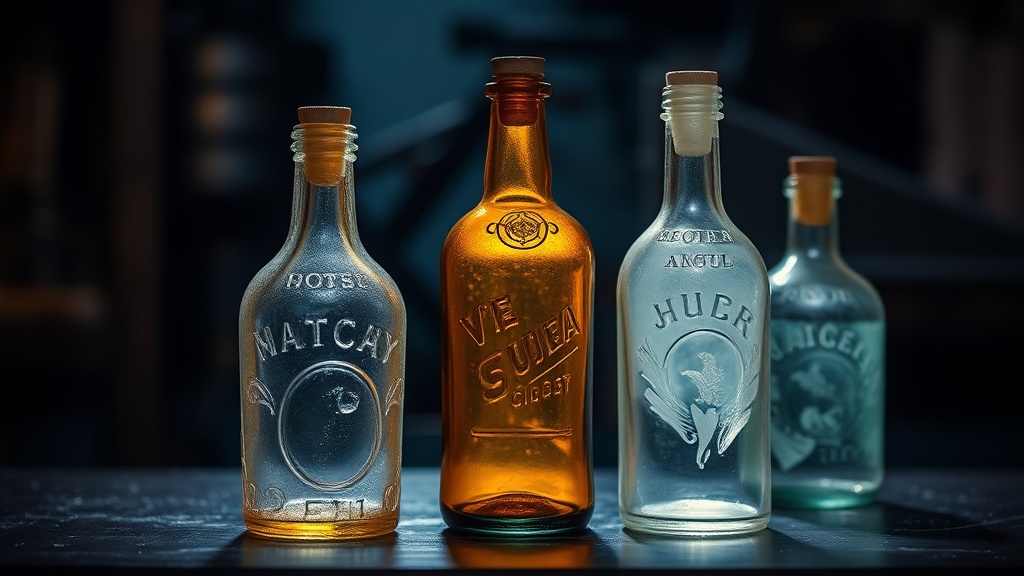
Restoring Clarity to Cloudy and Stained Antique Glass Bottles

Imagine pulling a beautiful, amethyst-tinted apothecary bottle from a 19th-century privy in South Philly, only to realize the glass is obscured by a stubborn, white haze. This isn't just dirt that'll wash off with a garden hose; it's what collectors call "sick glass," and it's one of the biggest headaches you'll face when building a display-worthy collection. This guide covers the science behind that cloudiness and provides a step-by-step approach to cleaning your finds without causing permanent damage. It's about preserving history—not just making things look shiny—because a poorly handled bottle can lose its value and structural integrity in an instant.
What causes that white cloudy film on old glass?
Most people assume it's just hard water deposits from sitting in a damp basement, but the reality is more complex. When glass stays buried for decades (especially in the acidic soil common in older East Coast cities), a chemical reaction occurs. Moisture actually leaches the alkaline components—like soda and lime—out of the glass structure. This leaves behind a silica-rich surface layer that looks frosted or chalky. It's basically a form of corrosion. If you look at it under a magnifying glass, you'll see tiny pits and scales. Because this isn't just sitting on top of the glass but is actually a change in the glass itself, you can't just wipe it away with a sponge.
You might also encounter simple mineral staining, which is different from true "sickness." Mineral stains are deposits of calcium or iron that have bonded to the surface. While sick glass is a structural change, mineral staining is an additive one. Identifying which one you're dealing with is the first step (if the bottle looks clear when wet but cloudy when dry, you're likely dealing with etching or sickness). Understanding this distinction helps you choose the right cleaning agent—otherwise, you're just wasting vinegar on a problem that requires a professional polish.
How can you safely remove mineral deposits without scratching the surface?
Before you reach for the heavy-duty chemicals, start with a long soak in room-temperature water mixed with a mild dish soap. This gets rid of the loose Philly mud and organic matter. Once the bottle is as clean as soap can make it, move on to a white vinegar bath. Vinegar is a weak acid that's perfect for dissolving calcium and lime build-up without being too aggressive. Let the bottle sit submerged for at least 48 hours. You'll often see small bubbles forming as the acid works on the minerals. It's a slow process—don't expect a miracle in ten minutes. For tougher cases, some collectors use a diluted muriatic acid solution, but that's risky business—you need to wear gloves and eye protection, and it can actually "burn" certain types of glass if left too long.
If you're dealing with iron stains—those nasty orange or brown rust streaks—vinegar won't do much. You'll need a rust remover like Oxalic acid or a specialized product designed for bathroom stains. Make a paste, apply it to the stain, and let it sit. Again, temperature is everything. Don't use hot water to rinse these chemicals off. Old glass is incredibly sensitive to "thermal shock"—the sudden expansion or contraction of the material. If you move a bottle from a cold acid bath to a hot water rinse, it'll likely crack right in half. I've seen rare hutchinson sodas ruined this way, and it's a heartbreaking mistake that's entirely avoidable.
What tools do you need for deep-cleaning narrow-neck bottles?
You're going to need more than just a standard kitchen brush to reach the bottom of a skinny 1870s medicine bottle. A set of flexible bottle brushes in various sizes is a good start. For the really stubborn stains inside the base, try using copper BBs or small copper pellets. Don't use steel BBs—they're too hard and will leave grey "slug" marks or scratches on the inside of the glass. Drop about a half-cup of copper pellets into the bottle with some soapy water and swirl it vigorously. The copper is soft enough that it won't scratch the glass but heavy enough to knock loose the crusty mineral deposits. You can find specialized bottle-cleaning pellets online or at home brewing shops (they work wonders on narrow-neck decanters too).
For bottles with extremely tight necks, like those found on certain perfumes or violins, you might need to use a magnetic scrubber. these consist of a small scrubbing pad with a magnet inside that you drop into the bottle, which you then move around using a second magnet on the outside. It allows for precision cleaning in spots that a brush simply can't reach. Just be careful not to let the magnets snap together too hard through the glass, or you'll end up with a pile of shards instead of a clean collectible. It's these little details—the choice of abrasive, the speed of the swirl—that separate a hobbyist from a serious preservationist.
Professional bottle tumbling is the last resort for bottles that are truly "etched." If the glass is physically pitted, no amount of soaking will make it clear again. Tumbling involves placing the bottle in a machine with a polishing compound (like copper oxide or cerium oxide) and small plastic pellets. The machine rotates for days, slowly grinding away a microscopic layer of the glass to reveal the clear surface underneath. It's a specialized skill that requires expensive equipment, so it's usually reserved for rare sodas or historical flasks worth more than fifty bucks. You can check the Society for Historical Archaeology for more details on how these manufacturing processes affect cleaning results. It's worth noting that some Philly-specific glass, like those from the Dyottville Glass Works, can have very thin walls, so tumbling should be handled by an expert who knows local glass history.
"Cleaning a bottle isn't just about aesthetics; it's about uncovering the story hidden beneath a century of neglect."
Don't forget to check the exterior for "opalescence" before you start scrubbing. Sometimes, the chemical breakdown of the glass creates a beautiful, rainbow-like sheen. While this is technically "sickness," many collectors (myself included) find it attractive and will pay a premium for it. If you scrub too hard or use a tumbler, you'll lose that iridescent patina forever. It's always a good idea to consult the Federation of Historical Bottle Collectors to see if your specific bottle is one that should be left in its "as-found" state before you commit to a deep clean. Sometimes the value is in the decay itself, especially with older black glass or early utilitarian pieces.
| Cleaning Agent | Target Problem | Safety Level |
|---|---|---|
| White Vinegar | Calcium/Lime | High |
| Oxalic Acid | Iron/Rust | Medium |
| Copper BBs | Inside Crust | High |
| Muriatic Acid | Deep Mineral | Low |
Cleaning old caps and stoppers is another area where people trip up. If you find a bottle with its original lead foil or a glass stopper still stuck in the neck, don't try to force it. Forcing a stuck stopper is the fastest way to snap the neck of a valuable bottle. A drop of penetrating oil or a gentle soak in lukewarm water for a week might loosen things up. If it's a metal screw cap, be careful with the rust removers; they can strip the original paint or lithography right off the tin. You're better off leaving a bit of rust on a cap than losing the brand name entirely.
Storage matters just as much as cleaning. Once you've spent days getting that 1890s soda bottle clear, don't put it in a spot where it'll get direct sunlight. UV rays can actually change the color of the glass over time—turning clear glass a sickly purple because of the manganese used in the manufacturing process. Keep your "smalls" and bottles in a stable environment with consistent humidity. Glass might seem indestructible, but it's a living material in many ways, reacting to its environment long after it's been pulled from the ground. Keeping your shelf out of the sun ensures that the clarity you worked so hard to restore lasts for the next generation of collectors.