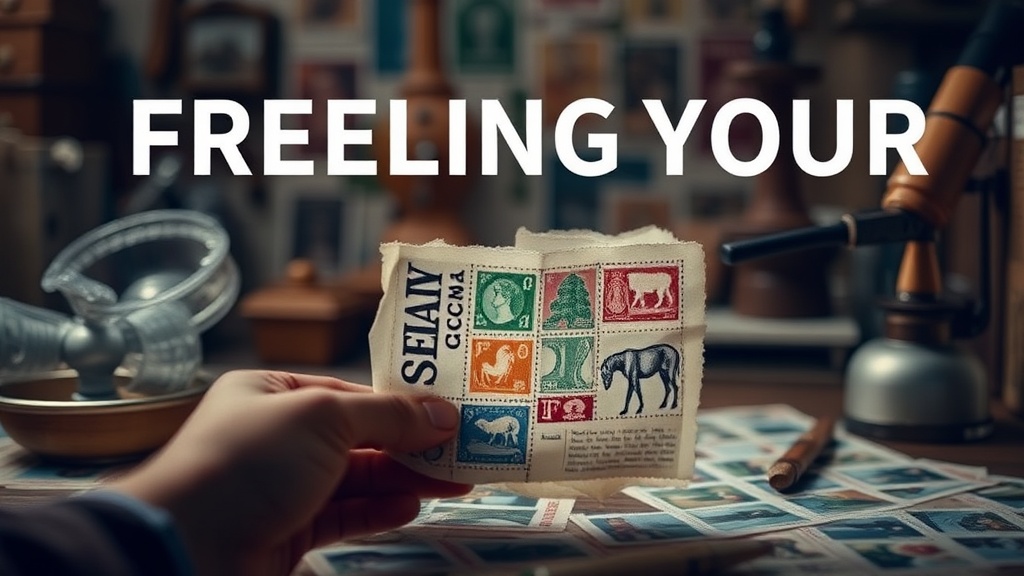
Freeing Your Finds: A Collector's Guide to Soaking Stamps from Paper

What Types of Stamps Can You Safely Soak?
Many new collectors assume that removing a stamp from its original envelope is a delicate, often risky, endeavor. The truth is, for a vast majority of postage stamps, a simple water bath is not only safe but often the preferred method for preservation and display. This guide will walk you through the proper, careful techniques for liberating your postal treasures from paper, ensuring they remain in pristine condition for your collection.
Before you even think about submerging your stamps, it's vital to understand which ones are candidates for soaking and which are decidedly not. Most conventional stamps printed with water-insoluble inks and affixed with water-soluble gum are perfectly safe to soak. This includes a huge swath of issues from the mid-19th century up to the late 20th century, and even some modern issues. These are the stamps that were designed with soaking in mind, allowing collectors to easily remove them from postal covers.
However, there are crucial exceptions. The biggest, and perhaps most frustrating, group is the self-adhesive stamp. Introduced widely in the 1990s and now dominant in many countries, these stamps use a pressure-sensitive adhesive that doesn't dissolve in water. Attempting to soak them will only result in a gummy mess, often damaging the stamp and leaving you with a sticky residue. For self-adhesive issues, the accepted practice is to trim the stamp neatly from the envelope, leaving a small margin of paper, and keep it “on piece.” You might also encounter stamps with fugitive inks—inks that will run or bleed when exposed to water. These are less common but do exist, particularly with some older issues or those from certain countries. A quick check in a reputable stamp catalog (like Scott or Stanley Gibbons) can often alert you to such concerns. Holographic stamps are another no-go; water can cause the delicate holographic layer to separate.
What's the Best Way to Liberate a Stamp from Its Envelope?
Once you've identified your soakable candidates, the process is straightforward but requires patience and a gentle touch. Gather your tools: a shallow bowl or two, lukewarm water, a clean towel or paper towels, and—critically—a pair of spade-tip stamp tongs. Avoid using your fingers, as the oils and acids on your skin can damage the stamp, and pointed tongs can easily tear wet paper.
First, carefully trim around the stamp on the envelope. Leave a generous border of paper, perhaps a quarter-inch or more, around the stamp itself. This provides a buffer and prevents accidental tears if the paper is stubborn during soaking. Separate your trimmed stamps, paying close attention to paper color. Any stamps on brightly colored paper—especially red, blue, or green—should be soaked separately. These dyes can and often will bleed, potentially staining other stamps in the same water. It’s better to be safe than sorry; a stained stamp is a damaged stamp.
Now, for the soak. Fill one of your shallow bowls with lukewarm water. The temperature matters—too hot can sometimes damage paper fibers or cause inks to run, while cold water will take ages to dissolve the gum. Gently place the trimmed stamp, face up, into the water. Don't overcrowd the bowl; give each stamp ample space to float freely. The goal here is for the water to penetrate the paper backing and dissolve the gum, allowing the stamp to detach naturally. Resist the urge to pull or peel. This is where patience comes in. For most stamps, detachment happens within 5 to 15 minutes. Some older, heavily gummed stamps might take a bit longer—up to 30 minutes, or even an hour in rare cases. If a stamp isn't budging, simply let it soak a little longer. For particularly stubborn gum, you can try replacing the lukewarm water with fresh lukewarm water after a prolonged soak.
Once the stamp has floated free from the paper, carefully pick it up with your stamp tongs. Transfer it to a second bowl filled with clean, cool water for a quick rinse. This step is important for washing away any remaining gum residue, which can cause the stamp to stick to drying surfaces or attract dirt over time. A clean back means a cleaner, more stable stamp in your album.
How Do You Properly Dry and Flatten Your Newly Soaked Stamps?
After rinsing, the next critical phase is drying. Improper drying can lead to curled stamps, watermarks, or even mold. The best method involves placing the wet stamps face down on a clean, absorbent surface. Many collectors use clean paper towels, blotter paper, or specialized philatelic drying books. Laying them face down prevents the image from sticking to the drying surface and allows any residual moisture to wick away evenly.
Allow the stamps to air dry completely. This usually takes several hours, often overnight, depending on the humidity in your environment. They should be "bone dry" before moving to the next step. Once dry, you’ll likely notice they have a tendency to curl, which is a natural consequence of the paper expanding and contracting during the soaking process. To counteract this, they need to be flattened. Place your dry, curled stamps between the pages of a heavy book. A large dictionary or an old phone book works perfectly. Alternatively, you can use a dedicated stamp press, which applies uniform pressure. Leave them under pressure for at least 24 to 48 hours. This will gently press them flat, making them much easier to handle, hinge, or mount in your album without risk of creasing or damage.
Some specialized techniques exist for unique situations. For instance, if you're soaking stamps from particularly colorful envelopes that are prone to bleeding, some collectors recommend adding a small amount of salt to the soaking water—about a tablespoon per bowl. This can sometimes help to fix the dye and prevent it from transferring to the stamp itself. Always test this method on a common, inexpensive stamp first if you're unsure. The American Philatelic Society (APS) provides excellent resources and detailed guides on these and other philatelic practices, often offering nuanced advice for specific issues. Their website at